WAYS - PUPPETS IN MOTION Moving Puppets – Toward a Shared Perspective on Indian Performative Objects
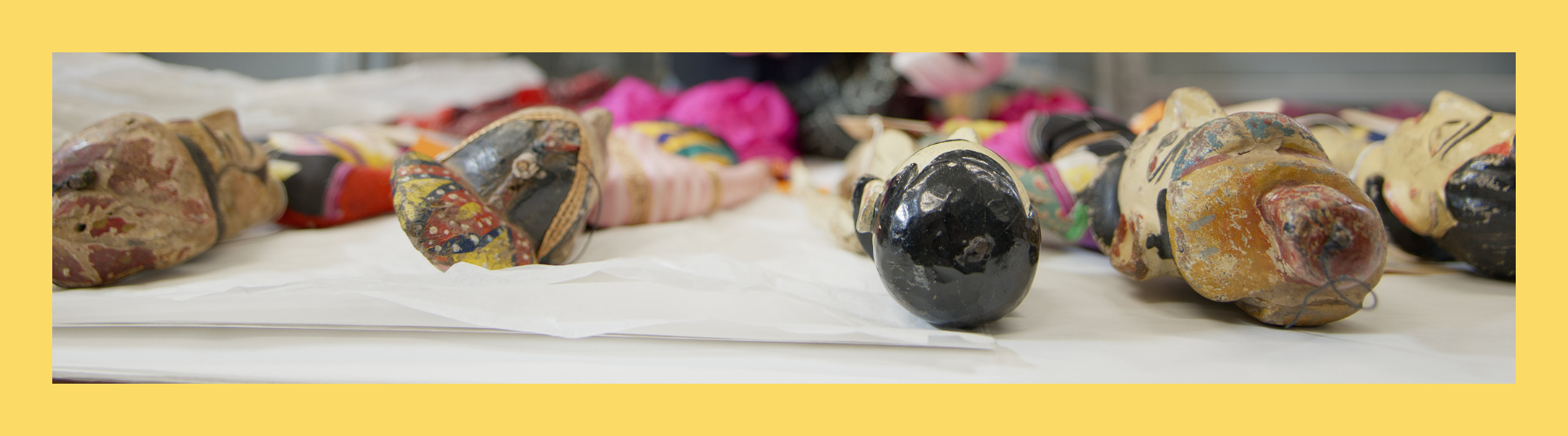
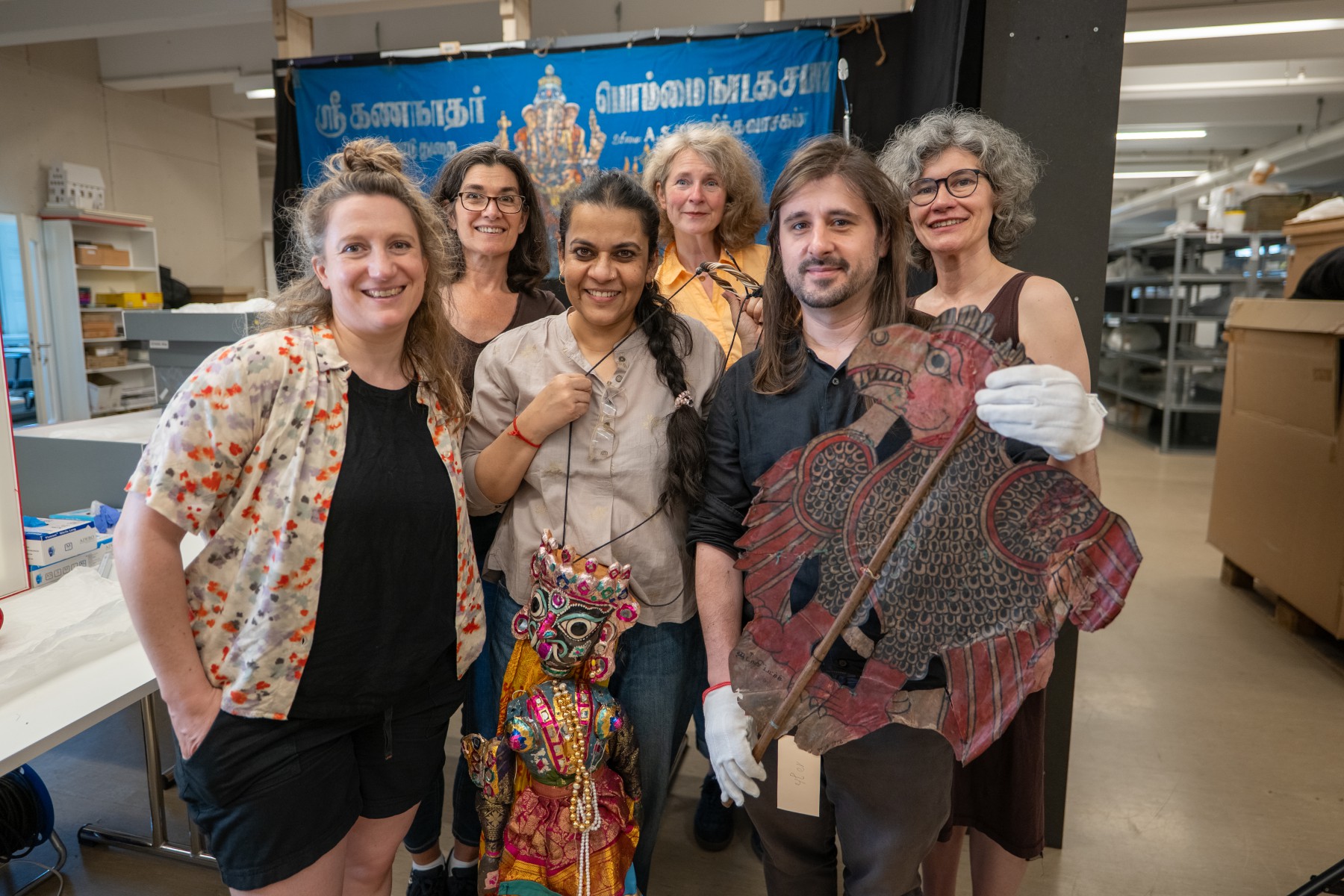
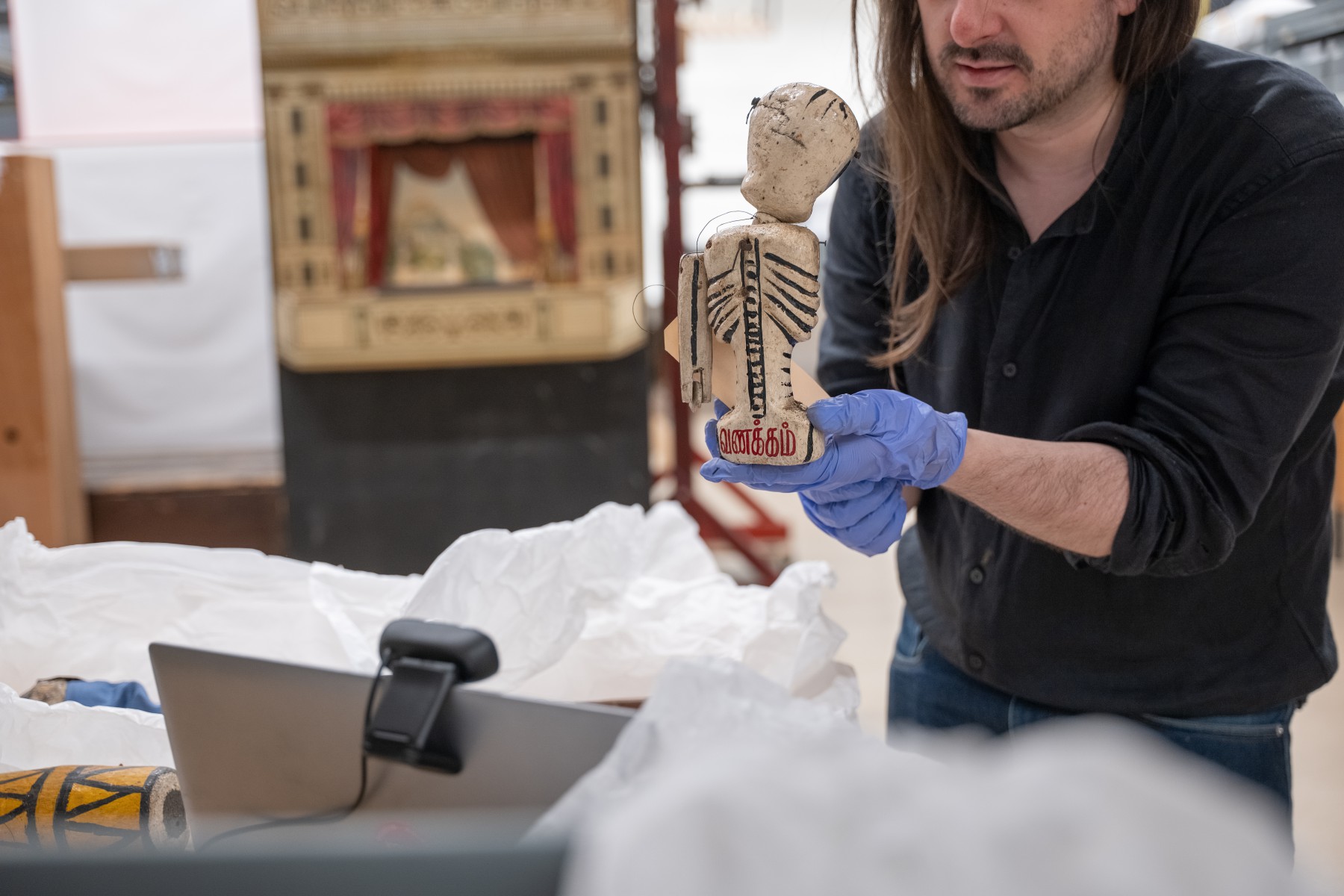
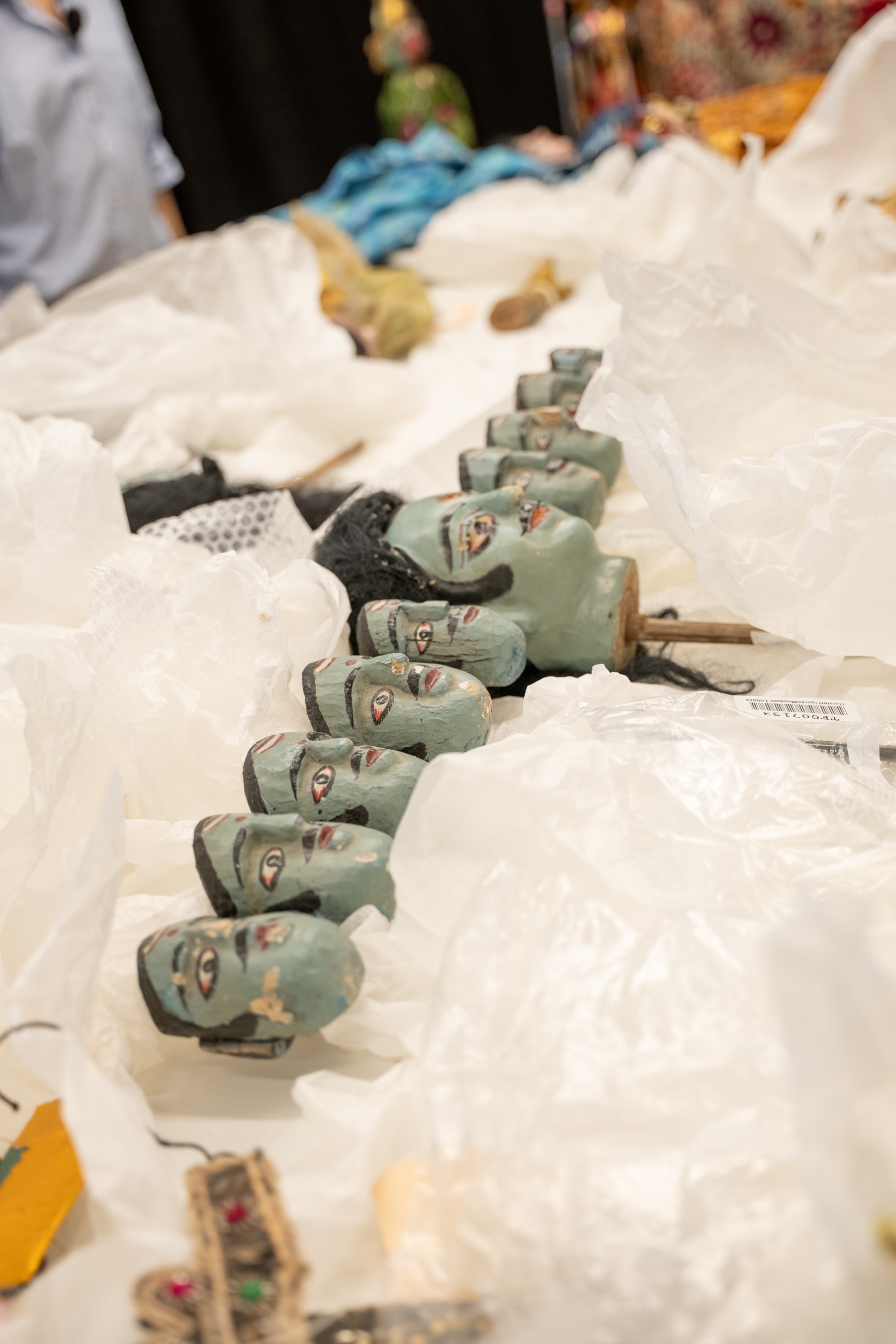
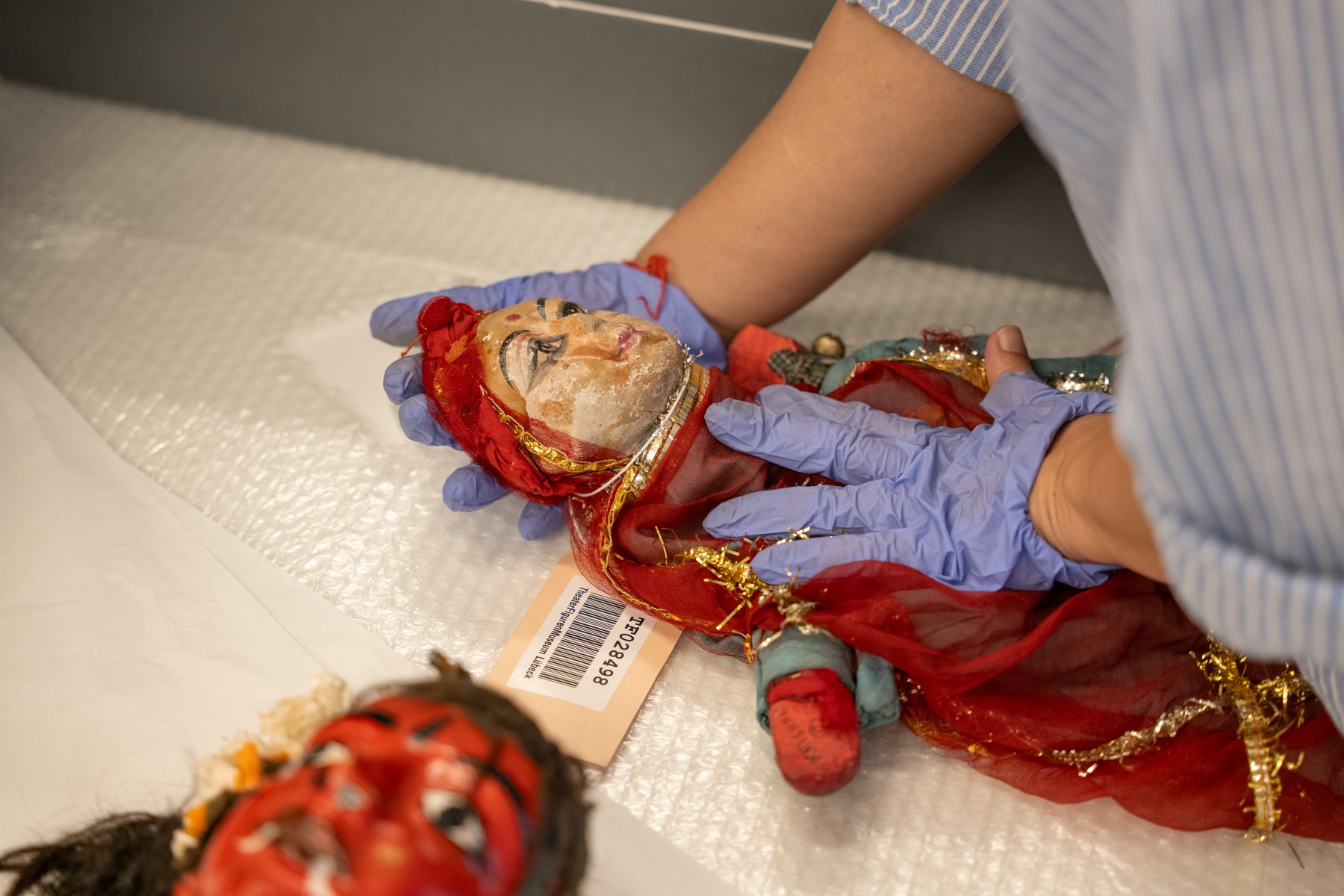
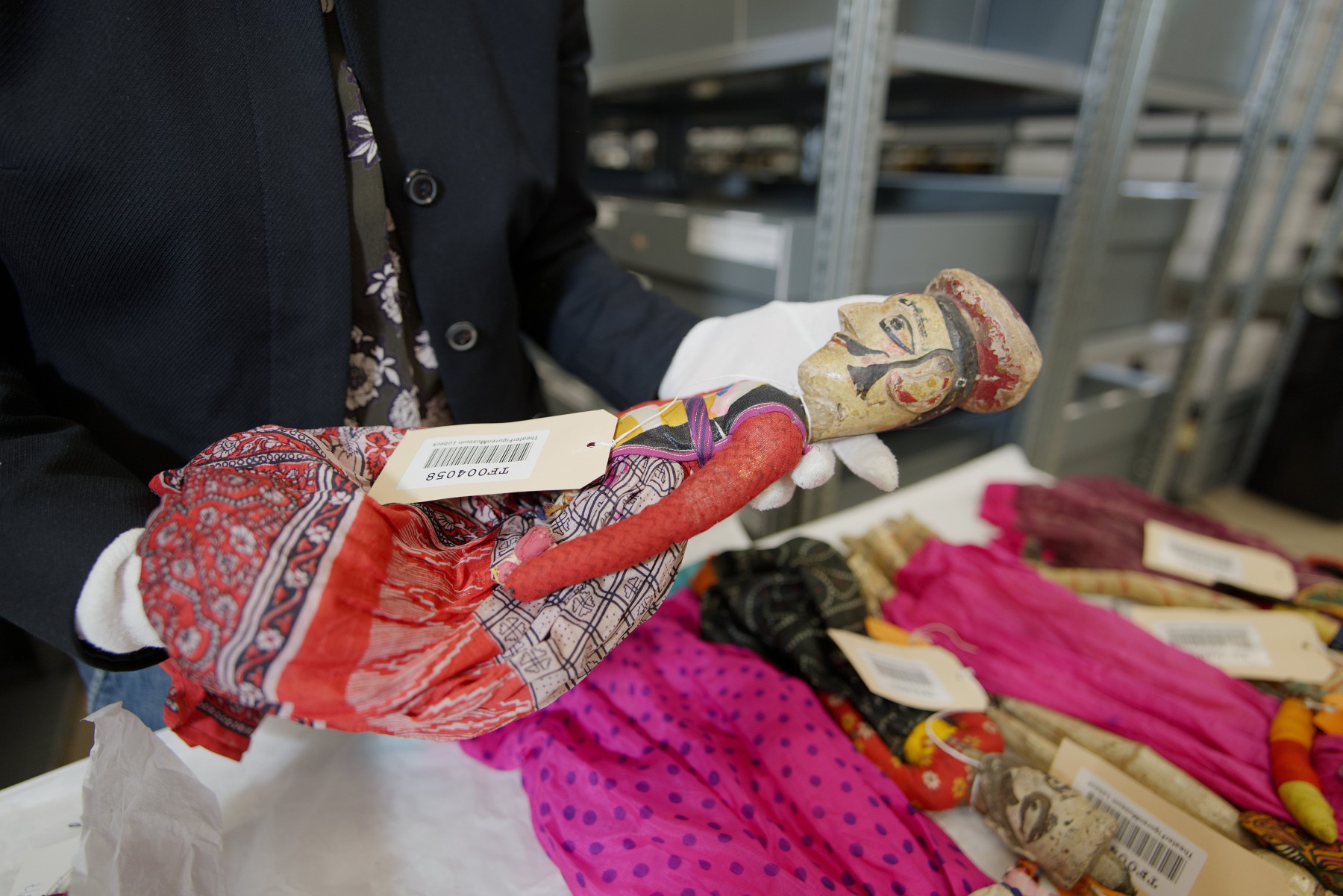
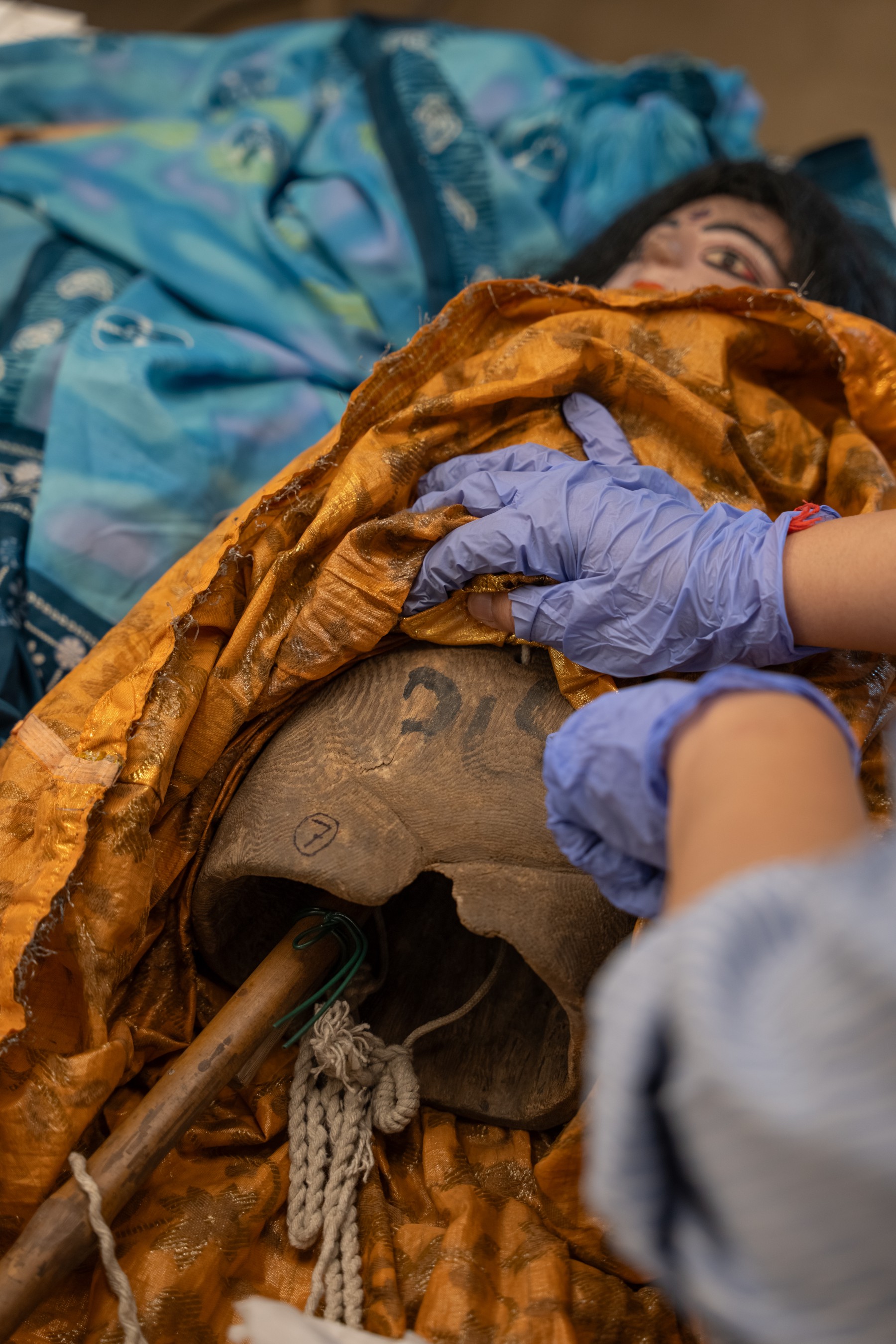
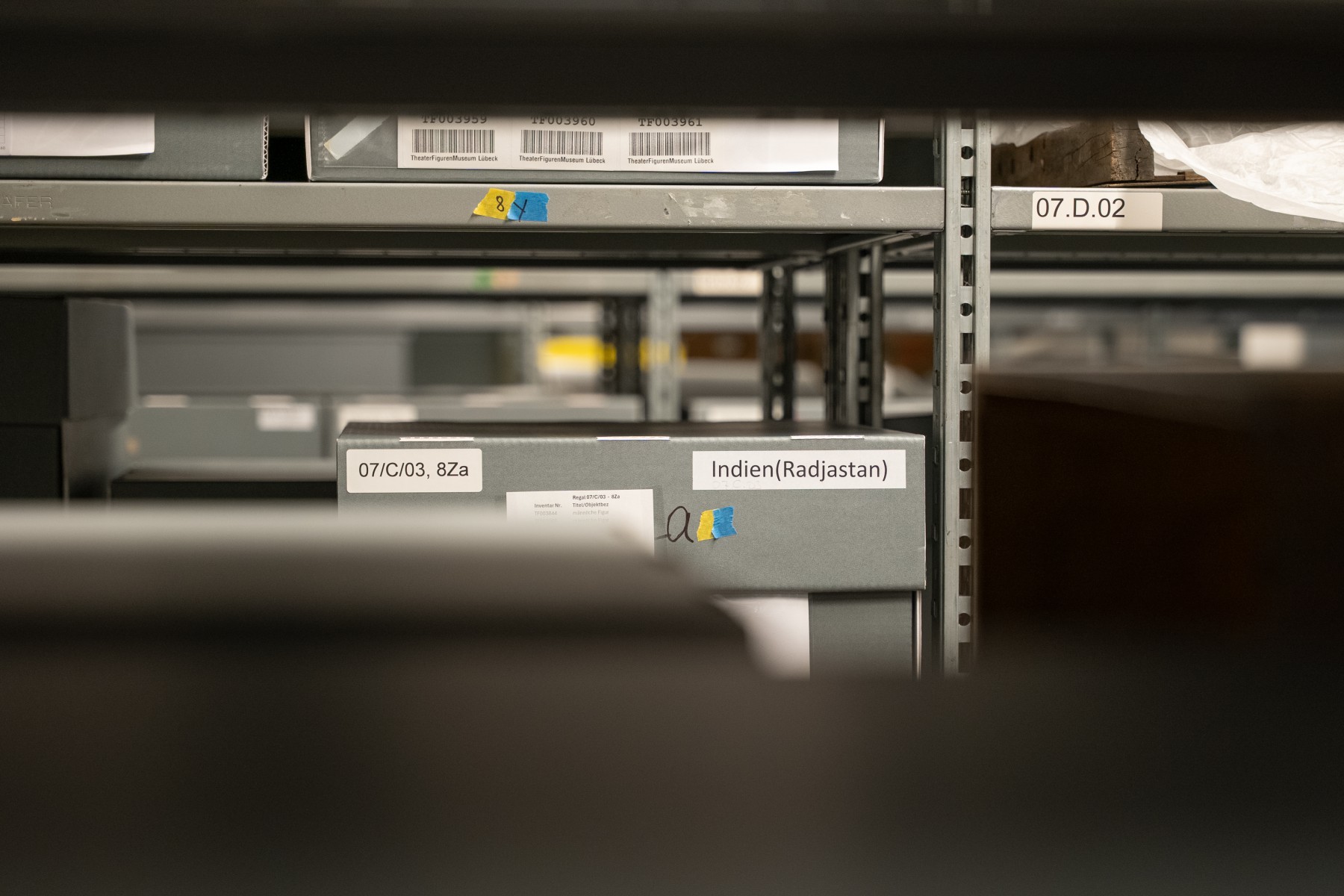
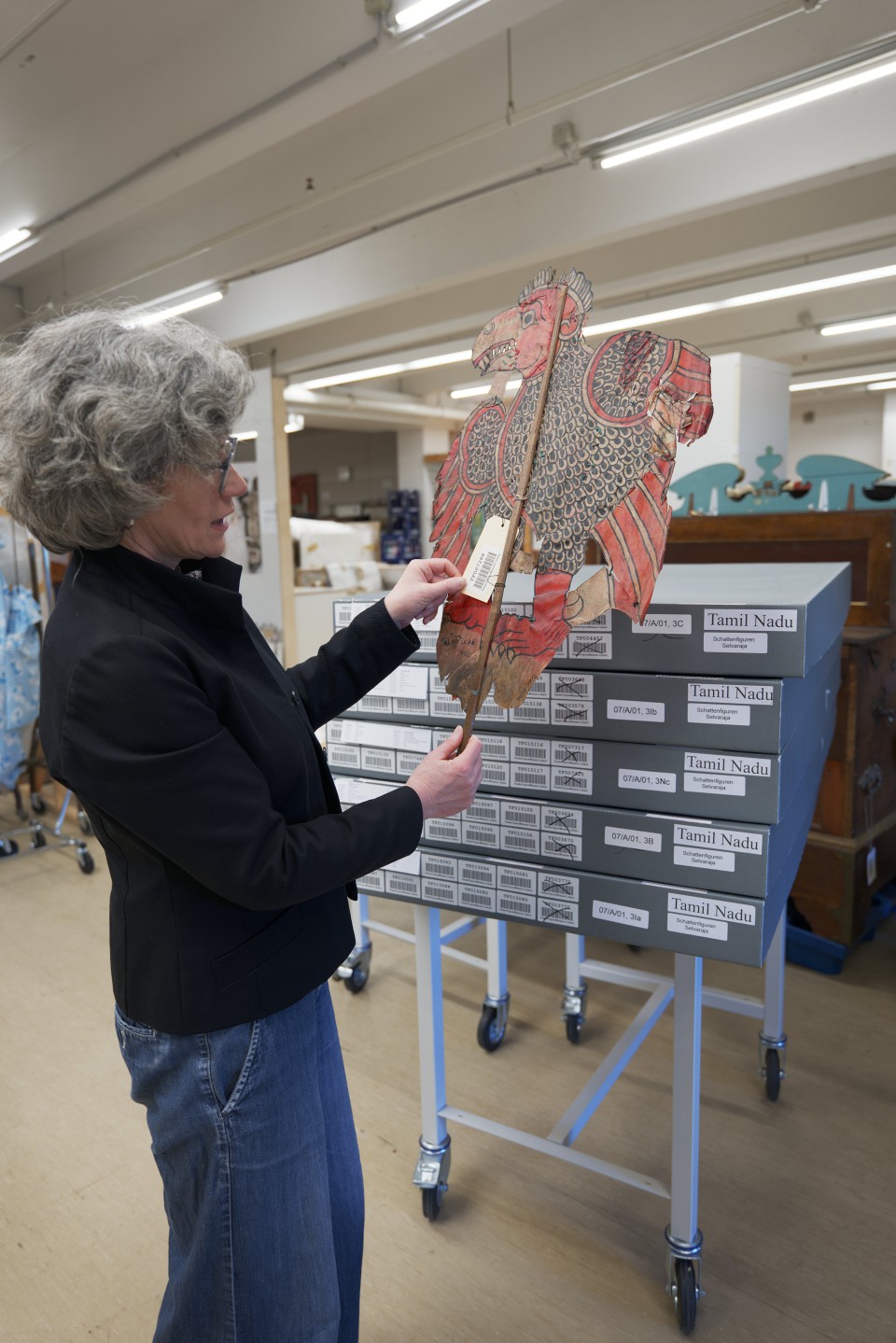
Nearly 2,000 figures from India sit in our shelves and storage. Some are fragile, some strikingly colourful, the most barely researched. They came to Lübeck through collectors – through networks, travels, personal relationships. Exactly how, we often don't know. That's what we want to change.
Researching Together, on Equal Terms
Since May 2026, we have been part of WAYS, the funding programme of the Kulturstiftung des Bundes (German Federal Cultural Foundation) for fair and sustainable international partnerships. Fewer than 60 projects were selected nationwide – we are one of them.
What matters to us about this programme: it's not about a German museum explaining a foreign collection. It's about finding out together what these figures mean – for the people whose cultures they come from, and for us as the museum that holds them.
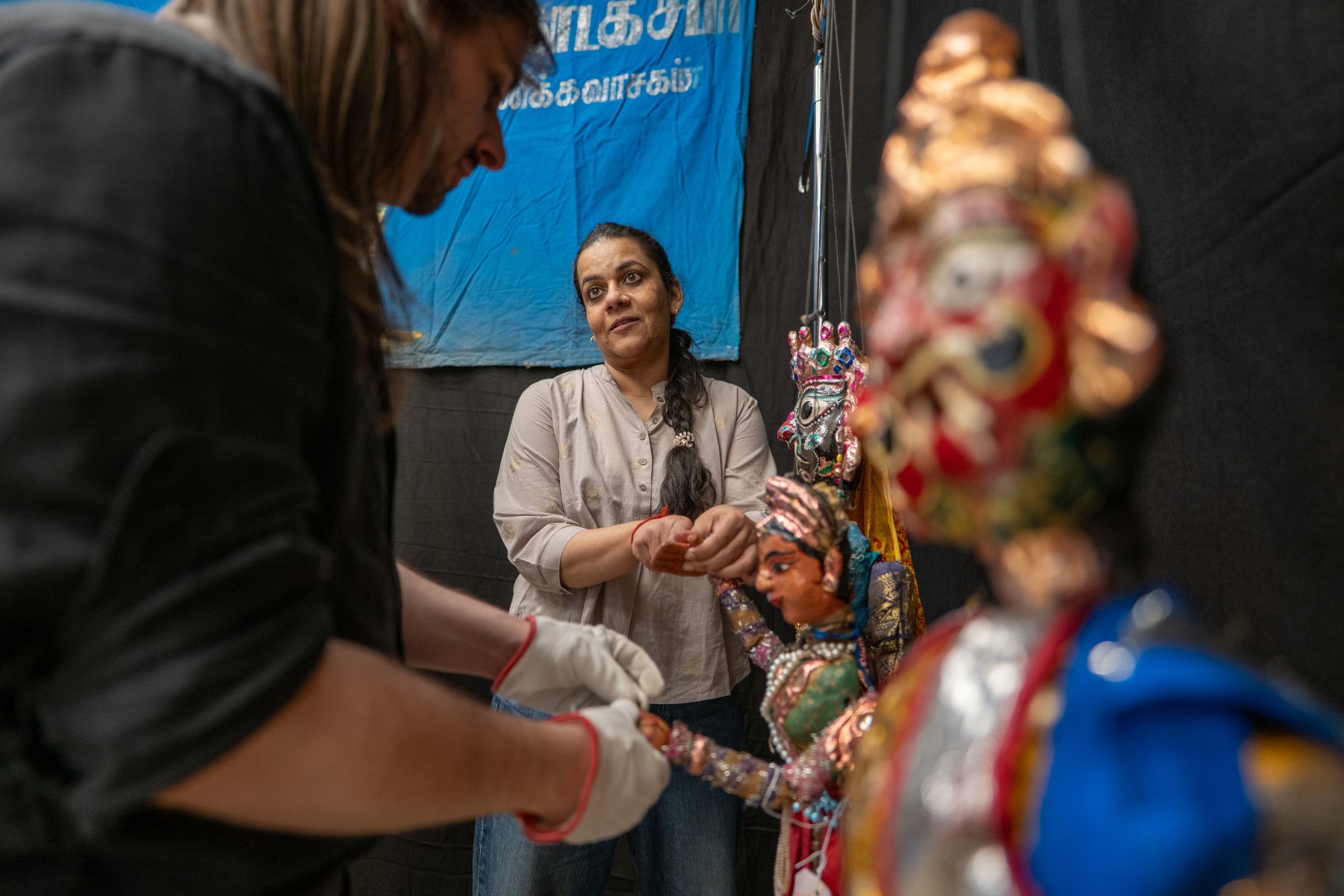
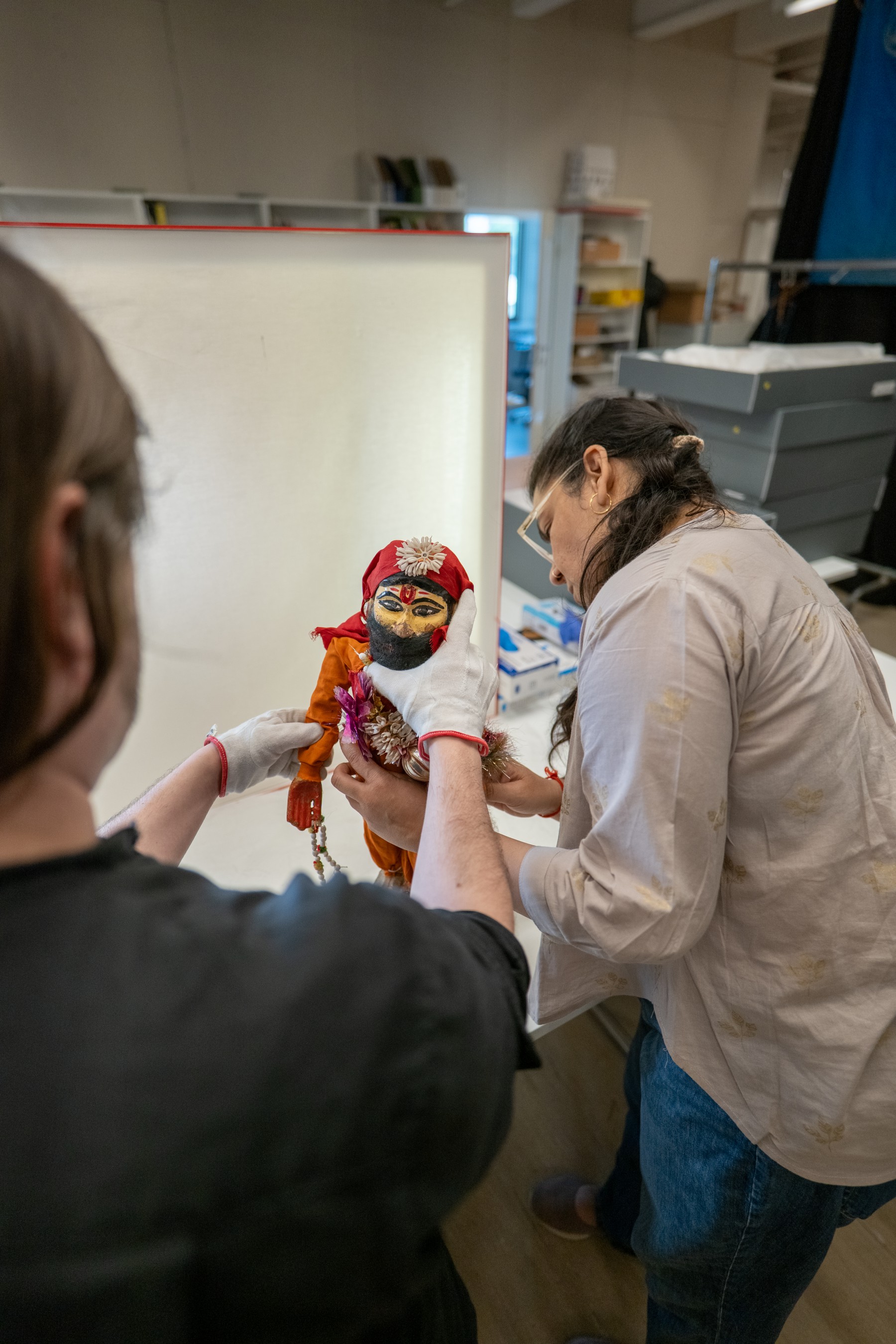
Our partner is Anurupa Roy from the Katkatha Puppet Arts Trust in New Delhi. She is a puppet theatre artist, curator and one of the most important voices in contemporary puppet theatre worldwide. And she brings something no archive can replace: a living understanding of what these figures once were – on stage, in ritual, in everyday life.
What We Want to Find Out
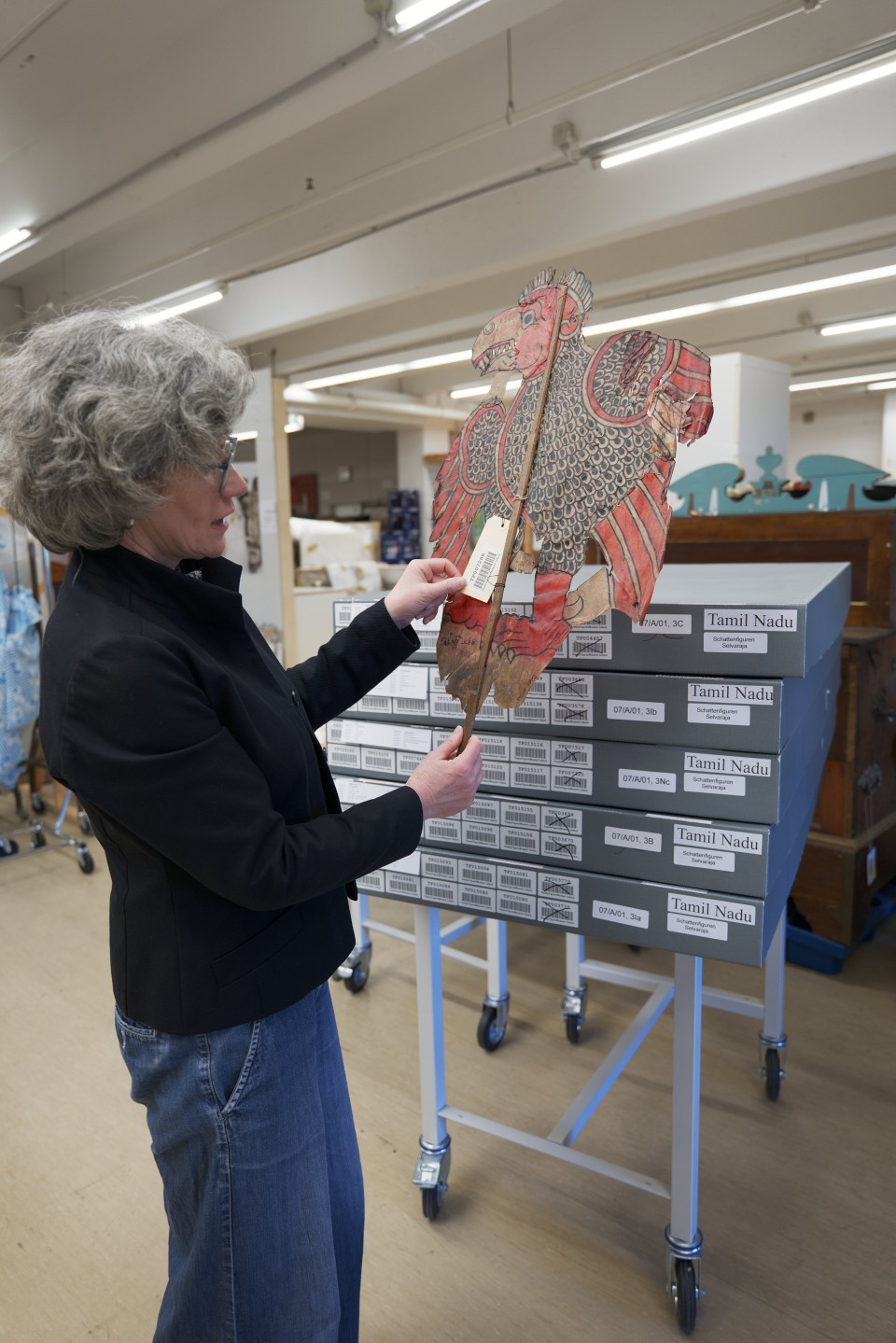
Our Indian collection is the second largest in the house. Many figures came to Lübeck through the collector Fritz Fey jun. – made possible in part by the close ties his wife Saraswati Fey had to India. But between place of origin and display case there is often a story we don't yet know.
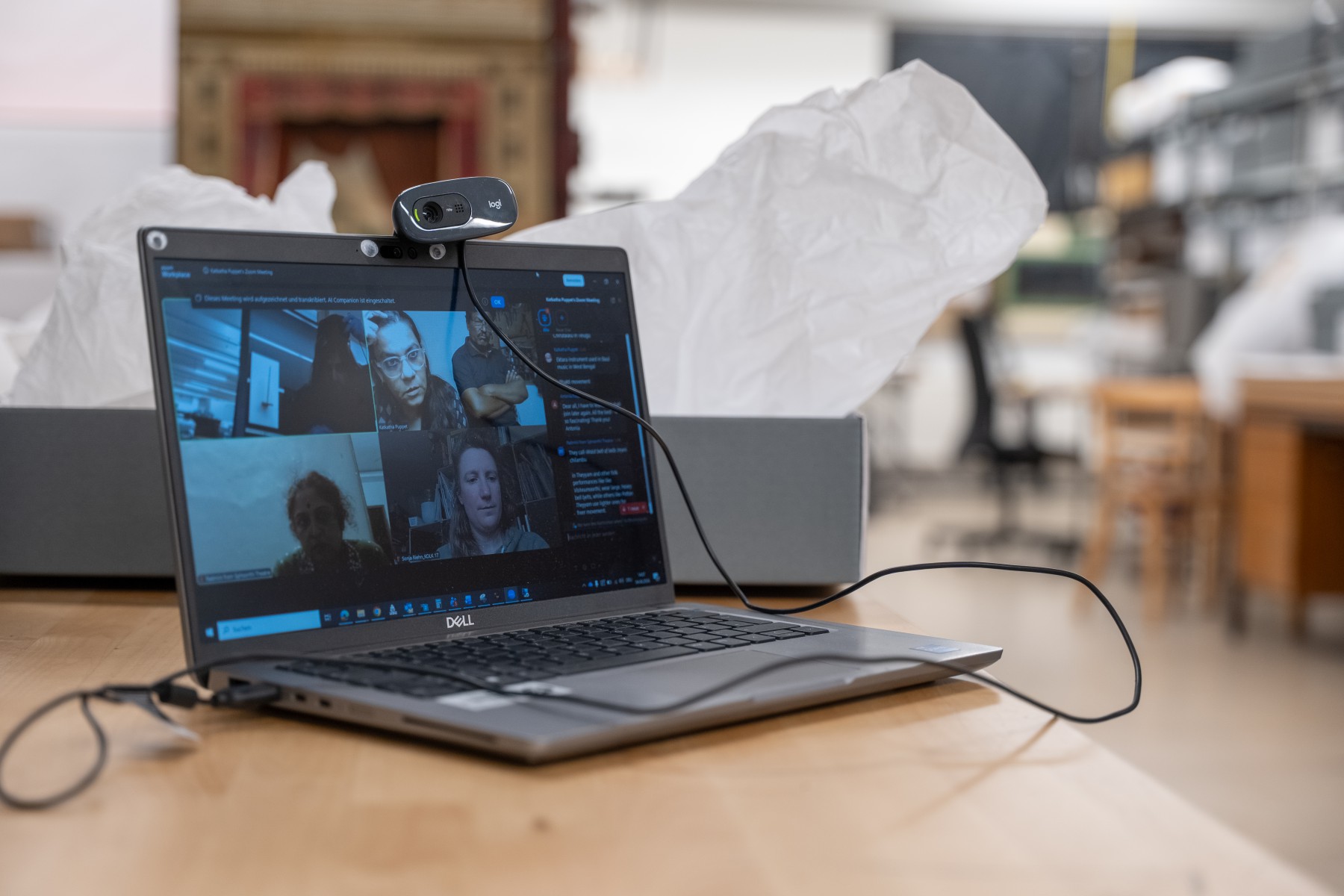
In the coming months, we will travel to India, hold conversations and workshops, and research together with Anurupa Roy and her network. What will we find? Where did these figures stand before they stood here? And how can we tell what we discover in a way that is accessible to everyone – not just specialists?
Loading images… (/)
Learn more about our experts
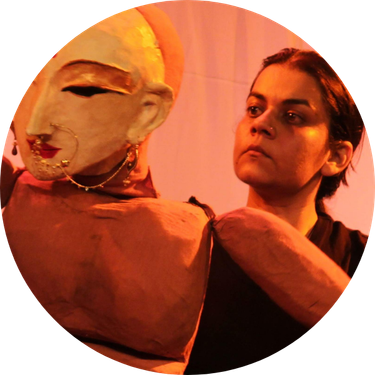
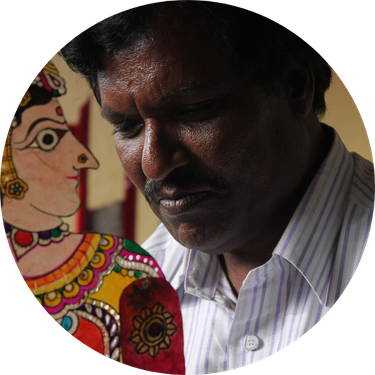
Anurupa Roy is a puppeteer, puppet theatre director and puppet designer. She is the Founder and Managing Trustee of The Katkatha Puppet Arts Trust. She has a Diploma in puppet theatre from the University of Stockholm, Sweden and has been trained in traditional glove puppetry, from La Scoula Della Guaratelle in Naples, Italy under Bruno Leone. She has been a researcher in residence 2011at Deutsches Forum für Figurentheater und Puppenspielkunst e.V. (dfp) in Bochum, Germany and at Institute International de la Marionette Charleville- Mézières in France. She has trained in puppetry with Neville Tranter at the Figurentheater-Kolleg in Bochum, Germany. She has directed over 25 puppet performances for Katkatha, TIE Company & NSD. To name a few - About Ram, Across the Sea, Mahabharata etc. She is a recipient of the Ustad Bismilla Khan Yuva Puraskar 2007, National award for contribution to puppet theatre by the Ministry of Culture. In 2016 Anurupa Roy won Sangeet Kala Kendra’s Aditya Birla Kalakiran Puraskar award for theatre and performing arts. For “Mahabharata” she received in 2017, the Mahindra Excellence in Theatre Award (META) for Best Director and Best Production as well as the Shankar Nag Award for Theatre.
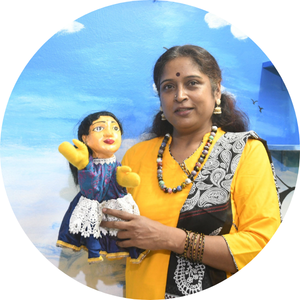
Padmini Rangarajan is an educational and therapeutic puppeteer, storyteller, folklore researcher dedicated to teaching and empowering children, particularly in underprivileged communities—through puppetry and storytelling. She is Co-Founder and Director of Sphoorthi Theatre for Educational Puppetry Art & Craft (STEPARC) in Hyderabad. She is experienced in puppet building, applied puppetry training, traditional art revival, documentation, scripting, and production. She has a diploma in Sociology of Ambedkar Open University, Hyderabad as well as in Social Work and Women’s Studies from Karnatak University, Dharwad. She is editorial Board Member of ShodhKosh: Journal of Visual and Performing Arts (UGC-CARE) and editor of Sanrakshan (Biodiversity E-Magazine) & Puthalika Patrika (Puppetry Magazine). From 2023-2026 she was General Secretary of UNIMA Puppeteers Trust, India. She received major grants for her research, such as the Tata Fellowship in Folklore (2012-2014) for the study of “Revival of Wooden String Puppetry of Ammapuram (former Andhra Pradesh and present Telangana state). the Senior Fellowship Awardee from the Ministry of Culture (2023–25) for her Research on Puppetry & Type 1 Diabetes. In 2016 she won the successful Women Award as well as the Vanita Award. And most recently in 2026, the Mathru Shakthi Award.
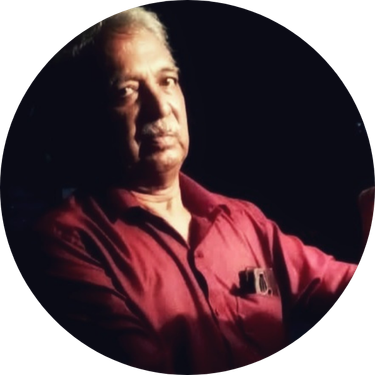
Shri Sadananda Pulavar is a renowned Tholpavakoothu artist and teacher from Kerala, in Southwestern India, representing a family tradition that spans six generations. Trained by his father, the legendary Annamala Pulavar, he began performing at the age of fourteen and has dedicated over fifty years to preserving and practicing this traditional shadow puppetry art form. He currently leads his family troupe and oversees performances in thirteen temples across Kerala. In 2013, he founded the School of Tholpavakoothu to train young artists and ensure the continuity of the tradition. For his significant contributions to the field, he has received several honours, including recognition from UNIMA, the Kerala Folklore Academy, and the CCRT Senior Scholarship.
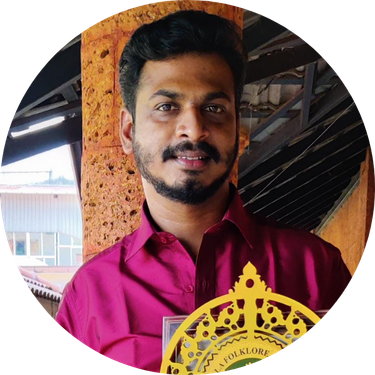
Sajeesh Pulavar was born in Kerala, in Southwestern India, into a family of traditional shadow puppeteers with a rich historical background. He had studied the art of shadow puppetry Tholpavakoothu from his guru/father. He follows the traditional style of puppet performance even now. In 1999 he had assisted Sri Annamalai Pulavar who had played a major role in Tholpavakoothu renovation. Sajeesh Pullavar attended a workshop by CCRT's regional center Hyderabad with Shilparamam on "Unity in Diversity" in 2006. He attended a National festival by Akhila Bharathiya Sanskruthe Sangh & CCRT in 2007. Sajeesh Pullavar has received the Young artist scholarship from Ministry of Culture, New Delhi. He has also performed for Department of Tourism in Kerala festival UTSAVAM as well as RAGBAG International festival Kerala in 2025.
Gunduraju-ji is a traditional leather shadow puppeteer from Karnataka, South Western India. He has got 50 years of experience and has performed more than 25000 shows at a national and international level. He has won a silver medal in the 3rd Delphic Game held in Korea on 2009 September 15. He is a Jnana Vijnana Awardee by Karnataka Janapada Yakshgana Academy and Rangabharathi Awardee from Nataka Academy. Gunduraju-ji has also received Ranga Kousthubha Award by Ranga Sangeetha Parishath and S.K. Khreemkhan Award by Sahithya Parishath.
Loading images… (/)
What comes next
The goal of this initial project is to produce a “Roadmap of Collaboration”—not a final report, but a living document that outlines how international cultural partnerships can function on an equal footing. At the end of 2026, we will apply for the second funding phase, during which the research will evolve into a multi-year exhibition project.
We’ll keep you posted.
„Participation is already of particular significance at this early stage – because the programme explicitly focuses on the how of collaboration."